
Lee County arrest booking refers to the official process that takes place after a person is taken into custody by law enforcement in Lee County, Florida. This process records key details such as identification, charges, and custody status inside the jail system. This step plays a major role in the Lee County jail system, where every arrest is entered into a structured booking procedure that becomes part of the public arrest records database.
The arrest booking process in Lee County includes several controlled steps, such as arrest intake, fingerprinting, mugshot capture, and custody processing. Each step is designed to create accurate booking records within the official detention system. Once completed, the information becomes part of the arrest database and jail admission system, which may later be used for court proceedings, bail evaluation, and public record searches.
What Happens During Lee County Arrest Booking
Lee County arrest booking starts after an arrest when a person arrives at the jail for formal processing. This step turns an arrest into an official jail record inside the jail admission system. The arrest booking in Lee County processes records of identity, charges, and custody status before placement in the facility.
Booking Procedure After Arrest
The booking procedure begins once law enforcement transfers a person to the jail. Staff take control of the intake process and begin system entry.
Steps in the booking procedure include:
- Identity verification through official documents
- Fingerprinting for criminal database matching
- Mugshot capture for identification records
- Recording arrest charges and legal codes
- Health and safety screening during intake
Each step creates part of the official record inside the jail admission system. This process helps connect the arrest to a verified booking entry.
Jail Admission System and Record Entry
The jail admission system stores all information collected during booking. It converts arrest details into structured digital records for Lee County arrest booking files.
During system entry, staff input:
- Booking number assigned to the case
- Arrest date and intake time
- Law enforcement agency details
- Charge classification data
- Initial custody status
Once entered, the record becomes active in the jail database. This allows tracking of the person through all custody stages inside the facility.
System Flow From Arrest to Housing
After booking entry, the system assigns custody processing steps. This flow moves the case from intake to housing placement inside the correctional facility.
The system flow includes:
- Arrest and transport to jail
- Intake screening and identity checks
- Booking record creation in the database
- Risk level review for housing placement
- Transfer to the assigned inmate housing unit
Each step ensures accurate tracking from arrest to detention status. The system keeps records updated as changes occur during custody.
Steps: Arrest Booking Process in Lee County Jail
The Lee County arrest booking process follows a structured intake system that records every arrested person entering custody. The system handles arrest intake, identification, and official documentation before placement in the detention facility. Each stage in Lee County arrests bookings follows a fixed workflow that supports accurate recordkeeping and custody tracking. Officers process every step through a centralized booking system linked to jail records.
Arrest Intake and Initial Processing
The arrest booking process begins at the intake desk, where detention staff handles the first phase of detention entry. Officers receive the arrested person from law enforcement and start initial documentation. During this stage, staff collect basic information and confirm arrest details. The process focuses on safety, identity confirmation, and case recording.
Steps at arrest intake include:
- https://www.sheriffleefl.org/booking-search
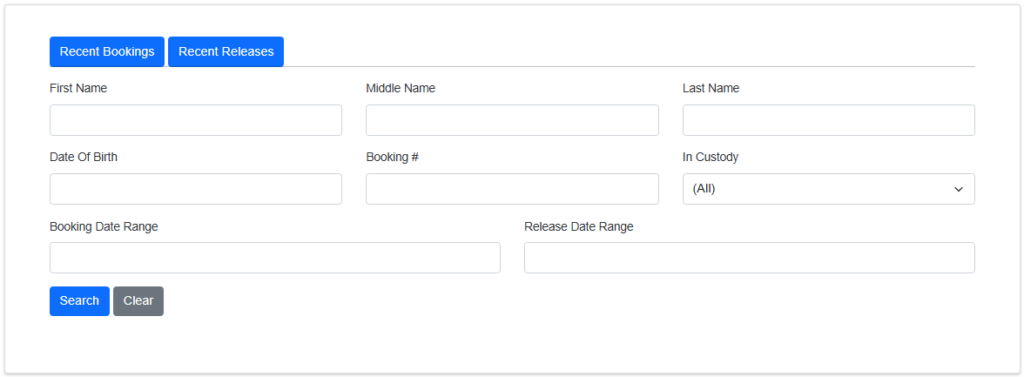
- Recording arrest reason and charges
- Collecting personal identification details
- Checking immediate health or safety concerns
- Assigning temporary holding status
- Logging entry time into the custody system
This stage sets the foundation for full custody processing. It also prepares the individual for formal booking procedures inside the facility.
Fingerprinting and Identification Check
After intake, the process moves to the fingerprinting process and identity confirmation. This step uses biometric systems to confirm identity and link records to official databases. The facility collects biometric records such as fingerprints and compares them with state and national systems. This helps confirm whether the individual has prior records or active warrants.
Steps in identity verification include:
- Digital fingerprint capture
- Cross-check with law enforcement databases
- Identity match confirmation
- Recording personal identifiers
- Linking records to the booking profile
This phase reduces identity errors and strengthens the accuracy of custody processing records. Once verified, the individual moves forward in the booking workflow.
Mugshot Capture and Documentation
The next stage involves mugshot capture, where staff take a booking photograph for the official record. This step is part of the arrest records system used for identification and documentation. Mugshots usually include multiple angles, such as front and profile views. These images become part of the inmate’s permanent booking file.
Standard mugshot documentation includes:
- Front-facing photograph
- Side profile image
- Visible identification number display
- Date and time stamp
- Link to booking record
This visual record helps staff, law enforcement, and court systems identify individuals quickly. It also supports consistency across Lee County arrest booking records.
Data Entry into Jail System
After photographs and fingerprints, the staff enter all collected details into the booking database. This step finalizes the inmate records update process and creates the official custody profile. The jail system stores all intake data in a structured format for internal tracking and public record use. This includes charges, identification details, and custody status.
Data entry typically includes:
- Personal identification details
- Arrest charges and case notes
- Fingerprint and biometric data
- Mugshot files
- Housing assignment information
Once entered, the system generates a complete booking record tied to the individual’s custody status. This record becomes part of the official Lee County arrest bookings system used for reporting and case tracking.
How Custody Classification Works After Booking
After arrest booking, Lee County procedures are completed, and the custody classification process begins inside the jail system. This step assigns each person a security level based on risk factors and case details. Custody classification decides where a person stays inside the facility and how closely they are monitored during detention.
Custody Classification and Risk Scoring Process
Custody classification uses a structured review system that evaluates each booked individual. The system focuses on behavior history, current charges, and safety concerns.
Factors in inmate risk scoring include:
- Severity of criminal charges
- Past arrest and conviction records
- Behavior during intake and booking
- Threat level to staff or other inmates
- Escape risk indicators
Each factor contributes to a final classification result. This score helps staff assign proper detention levels inside the facility.
Security Level Assignment After Arrest Booking Lee County
After risk scoring, the staff assigns a security level to each inmate. This step controls movement and supervision inside the jail system.
Detention levels include:
| Security Level | Description | Supervision Type |
|---|---|---|
| Minimum | Low-risk cases with stable behavior | Shared housing units |
| Medium | Moderate offenses or mixed history | Controlled cell blocks |
| Maximum | High-risk or violent charges | Restricted housing units |
| Special Custody | Protective or disciplinary cases | Isolated monitoring units |
Each level shapes daily routine inside the correctional facility. Higher levels receive tighter control and limited interaction.
Housing Decision Process Inside the Facility
Once custody classification is complete, the housing decision process begins. Staff place inmates into specific units based on their assigned security level.
The housing decision considers:
- Risk classification score
- Gender-based separation rules
- Medical or mental health needs
- Space availability in housing units
- Behavioral notes from intake officers
After placement, inmates remain in assigned housing unless case updates require changes. Movement between units follows a review of custody status and behavior reports.
How Classification Affects Daily Custody Management
Custody classification plays a key role in daily jail operations. It helps staff manage safety, movement, and supervision inside the facility.
The system supports:
- Controlled inmate movement across units
- Scheduled supervision checks
- Separation of high and low-risk groups
- Adjustments based on behavior changes
Regular reviews update classification if new legal or behavioral information appears. This keeps inmate placement aligned with current conditions after arrest booking and Lee County processing.
Bail Bonds After Arrest Booking in Lee County
Bail bonds in Lee County allow a person to secure release after Lee County arrest booking by paying a set bail amount or working through a licensed bondsman. Release timing depends on the bond hearing, the court’s bail amount determination, and the release conditions set by the judge. After booking, the court reviews the arrest details, charges, and background before deciding whether bail applies and what amount is appropriate, and once bail is approved, the bond process begins, which directly impacts how fast release from custody can happen.
How bail decisions work after arrest booking
After arrest booking, a judge or magistrate reviews the case and sets the bail amount determination based on charge severity, prior record, and flight risk factors, and this decision shapes whether release is possible before trial. The court checks booking records, criminal history, and public safety concerns before assigning a bail figure or denying bail in serious cases, and once the decision is made, the release path becomes clearer depending on whether conditions are met.
Role of bail bonds in the release process
Bail bonds allow release without paying the full bail amount, as a licensed bondsman posts the bond in exchange for a fee based on the total bail set during the hearing. Options may include cash bond, surety bond, property bond, or recognizance release, depending on approval, and once the bond is accepted, the release process begins after verification of paperwork and court approval.
Bond hearing and court review process
The bond hearing is the stage where a judge reviews arrest booking details and sets rules for release, including whether bail is granted, denied, or modified based on case facts and risk level. The court may set financial conditions, add restrictions like travel limits or contact rules, or schedule follow-up court dates, and these decisions define how release will be handled after approval.
How bail affects the release timeline
Bail directly controls how quickly release happens after Lee County arrest booking, since faster payment or bond approval leads to quicker discharge from custody, while delays in payment or court processing can extend detention time. Release may occur within hours when bail is processed quickly, but it can take longer if verification, paperwork, or facility processing queues slow the final steps before discharge.
How Long Does Booking Take in Lee County Jail
Lee County arrests and bookings usually take a few hours from arrival to full record completion. The total processing time depends on the intake workload and detention workflow inside the facility. Most booking cases move through the system within the same day, but an intake delay can extend the timeline.
Average Processing Time for Lee County Arrests Bookings
The booking process starts right after law enforcement delivers a person to the jail. Staff begin intake steps immediately to start system entry.
Typical processing time includes:
- Intake screening: 30–60 minutes
- Identification checks: 30–90 minutes
- Fingerprinting and mugshot: 20–40 minutes
- System entry and charge recording: 1–2 hours
On average, full booking completes in 2 to 6 hours. During busy arrest periods, the process may take longer due to staff workload.
Intake Delay and Detention Workflow Factors
Intake delay can affect how fast Lee County arrest bookings appear in the system. The detention workflow depends on staffing, arrest volume, and case complexity.
Causes of delay include:
- High number of incoming arrests
- Court orders requiring verification
- Medical screening requirements
- System backlog during peak hours
- Additional identity checks
Each factor adds time before the final booking entry. The detention workflow prioritizes safety checks before system registration.
Steps Booking Timeline
The booking timeline follows a structured sequence inside Lee County Jail. Each step must be completed before the next begins.
- Arrival and temporary holding placement
- Identity confirmation and record matching
- Fingerprinting and biometric scanning
- Mugshot capture and profile creation
- Charge entry into the jail database
- Custody status assignment
After these steps, the record becomes part of the official system. This completes the arrest booking in Lee County.
Lee County Jail Booking Records and Public Information
The Lee County arrest booking system creates digital booking records that store arrest details, charges, and custody status in a centralized database. These records appear in a public records system, where approved information becomes visible through an official arrest database. Booking records are created during intake and updated as custody status changes. Once entered, selected data moves into public-facing systems that reflect current detention activity.
How booking records appear in the system
The booking records system stores all arrest details in a structured format linked to the jail database. Each record begins during intake and continues to update through custody changes, court actions, and release processing. The arrest database organizes records into searchable fields, which helps maintain consistency across entries.
Common data fields include:
- Full name and identification details
- Booking number and arrest date
- Charges filed at intake
- Custody status and housing assignment
- Bond or release information
Each record connects to internal systems used by detention staff. As updates occur, the system reflects changes in near real time, which keeps records aligned with current jail activity.
Public records system and visibility rules
The public records system displays selected booking data that meets legal disclosure rules set by law enforcement agencies. This system allows public viewing of basic arrest information without exposing restricted or sensitive details.
Public visibility typically includes:
- Name of the arrested person
- Booking date and time
- Listed charges
- Bond status
- Current custody status
Certain details remain limited, such as medical records, internal notes, or protected case data. This balance supports transparency while maintaining privacy within the arrest database.
(FAQs) About Lee County Arrest Booking
Lee County arrest booking questions often focus on booking duration, bail eligibility, release timing, and record visibility. These answers explain how the jail admission system processes arrests and updates custody records. They help readers track what happens after intake and how booking records appear.
How long does booking take, and when are records visible?
Booking duration at Lee County Jail usually ranges from a few hours to the same day. The process includes identity checks, fingerprinting, and system entry into the jail database. Records appear after intake steps are completed and verified by staff. Record visibility may take extra time during high intake periods. Most booking records become visible within the same processing cycle.
When is bail eligibility decided during booking?
Bail eligibility is often reviewed during or shortly after the booking procedure. Charges and legal status play a key role in this decision process. Some cases follow preset bond schedules based on offense type. Other cases require a judge to review and set bail conditions. Once confirmed, bail details are added to the booking record in the system.
How does release timing work after booking?
Release timing depends on booking completion, bail approval, and administrative checks. If bail is posted early, release may occur within a few hours. Some cases require court approval before release can happen. Identity verification and paperwork review can add time to the process. The detention workflow controls each step until release is finalized.
Why do booking records change after posting?
Booking records may change after posting as new case details enter the system. Law enforcement or court actions can update charges or custody status. These updates reflect current case progress inside the jail system. Record visibility remains active and adjusts as changes are recorded. This process keeps booking data accurate and up to date.
Can booking delays affect release timing?
Booking delays can impact how fast the release timing moves after arrest processing. Delays may happen during high intake volume or extended verification checks. If booking takes longer, bail processing and custody updates may start later. This can push release time further into the day or next cycle. The detention workflow completes each step before release can proceed.