
Lee County jail inmate search shows current detainee information through the official jail roster system. It helps check Lee County jail’s recent arrests and custody status using the county’s verified inmate records system, which updates booking data after intake processing and detention logging for accurate jail tracking records.
The inmate lookup guide connects users with updated detention records, booking details, and charge information through the sheriff’s inmate records system. This system pulls data from jail intake centers and updates it after each booking process, keeping records aligned with active detainee status, custody movements, and arrest entry verification inside county databases used for public reference and case monitoring.
What Is the Lee County Jail Inmate Search System?
The Lee County jail inmate search system is an online tool used to check current inmate status within county detention facilities. It works as a digital inmate database linked to arrest and booking activity recorded by local law enforcement. This system helps users review jail booking system records and find basic correctional records tied to recent arrests in Lee County.
What the Inmate Search System Means
The inmate search system functions as a public lookup tool connected to law enforcement records. It allows users to view individuals currently held in custody or recently processed through the jail system. An inmate lookup guide using this system typically provides details such as booking information, charges, and custody updates. It reflects real-time or near-real-time updates from the jail booking system. The system does not show the full case history. Instead, it focuses on detention status and basic arrest search, Lee County data connected to current jail records.
How the Jail Roster System Works
The jail roster works as a structured list of individuals held in custody at Lee County detention facilities. It is updated regularly by jail staff and reflects changes in booking status.
A typical jail roster may include:
- https://www.sheriffleefl.org/records/
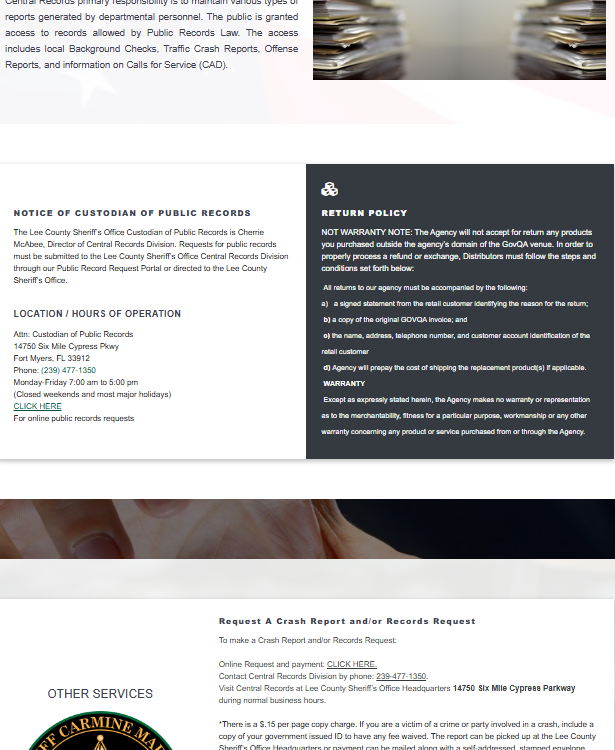
- Inmate name and booking number
- Mugshot data from intake processing
- Arrest charges listed at booking
- Bond or release status
- Facility location within the jail system
This roster is part of the broader inmate database used by correctional staff. It helps track daily jail population and supports correctional records management.
How to Search Recent Arrests in Lee County
A Lee County jail recent arrests search is done through official online systems that show booking activity and inmate details. The arrest search Lee County tools pull data from sheriff databases and jail booking systems. Most users check an online jail roster or use a sheriff search portal to view updated arrest entries and custody status records.
Online Jail Roster Search Tool
The main method for checking recent arrests is the official online jail roster. This system shows daily booking updates from detention facilities.
Steps to use the online roster:
- https://www.sheriffleefl.org/booking-search/
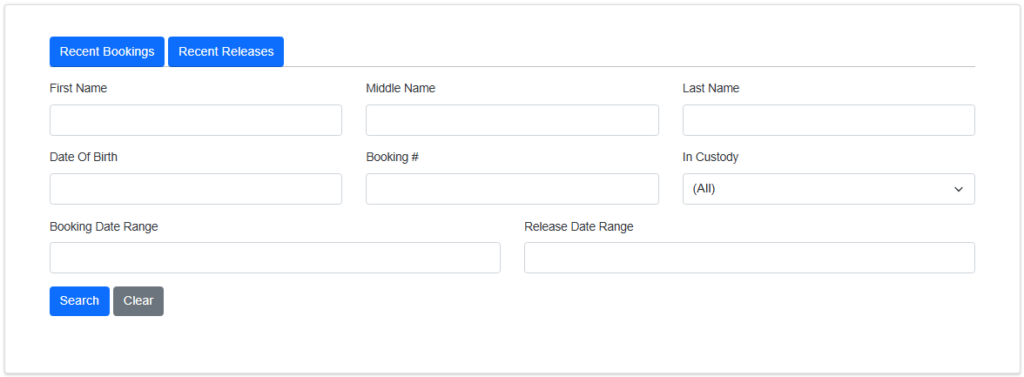
- The sheriff’s office inmate search page
- Open the jail roster or inmate locator system
- Enter the required search details
- View matching arrest records
- Check custody and booking status
This system connects directly with the inmate locator system, which updates records after each booking entry is processed.
Name-Based Arrest Search
A name search is the most common method used in Lee County arrest systems. It allows users to find records using full or partial names.
How name search works:
- Enter full legal name in the search bar
- Try an alternate spelling if no match appears
- Review all matching inmate results
- Check booking dates and charges
- Confirm identity using age or location details
This method helps locate Lee County jail’s recent arrests quickly through the sheriff’s database.
Booking Number Search Method
A booking number search provides more direct and accurate results in the arrest search in the Lee County system. Each inmate receives a unique ID during intake.
Booking search steps:
- Enter booking or inmate ID
- View exact matching record
- Check custody status details
- Review charge information
- Confirm detention facility location
This method reduces search errors and pulls precise data from the online jail roster.
Date Filter Search for Recent Arrests
The date filter option helps narrow down recent booking activity. It shows arrests within a selected time range.
How date filters are used:
- Select arrest date range
- View daily or weekly bookings
- Filter results by intake date
- Review multiple arrests in one list
- Sort records by newest entries
This option helps track Lee County jail’s recent arrests more efficiently when large data sets appear in the system.
Are Jail Inmate Records Public
Jail inmate records in Lee County are generally public under Florida public records law. Most inmate records show basic detention details such as booking status, charges, and custody status updates. These records come from official detention systems and are regulated under Florida statutes that allow public viewing of non-restricted jail information.
Florida Public Records Law and Inmate Access
Florida law allows public viewing of most jail and detention data. Under public records law, sheriff’s offices and detention centers must maintain transparency for basic inmate information.
Common publicly available detention records:
- Inmate booking details
- Arrest date and charges
- Current custody status
- Facility location
- Release or bond information
These detention records are stored in official systems managed by county law enforcement agencies.
What Inmate Records Include in Lee County
Lee County inmate systems collect data from jail intake and booking processes. These records show both current and past detainee activity.
Typical inmate records include:
- Full name and booking ID
- Mugshot or booking image
- Arresting agency details
- Charge classification
- Court case reference number
This information helps track custody status and detention history across county facilities.
Restricted Inmate Information Under Florida Statutes
Not all jail records are public. Florida statutes place limits on sensitive or protected data to maintain privacy and safety.
Restricted record types include:
- Juvenile detention records
- Active investigation files
- Sealed or expunged cases
- Confidential witness details
- Victim identity information
These restrictions separate public data from sensitive law enforcement materials.
How Custody Status Is Shared Publicly
Custody status is part of the public inmate system in Lee County. It shows whether a person is held, released, or transferred.
Custody status updates may include:
- In custody at a detention facility
- Released on bond
- The court ordered the release
- Transferred to another facility
This data is updated through official detention records and jail booking systems managed by county agencies.
What Information Appears in the Jail Roster?
The Lee County jail roster system displays real-time custody details for individuals held in county detention facilities. It connects booking activity with correctional records and provides structured inmate information updated by jail staff. This system supports booking number lookup and shows key detention details, including identity, charges, and custody classification.
Inmate Identity Details in Jail Roster System
The jail roster system first displays basic inmate identity information recorded during intake at the detention facility. This section helps confirm who is currently in custody and links records to a specific booking event.
Identity details include:
- Full legal name and known aliases
- Age and date of birth
- Gender and physical description
- Mugshot data captured during booking
- Assigned booking number lookup reference
The booking number acts as a unique identifier in the inmate database. It helps track all records linked to that specific arrest and detention process.
Charges and Arrest Information Displayed
Charge details appear directly in the jail roster and reflect the legal violations assigned during arrest processing. This information comes from law enforcement reports and the booking log created at intake.
Typical charge details include:
- Listed criminal charges at the time of booking
- Severity level, such as misdemeanor or felony
- Arresting agency reference
- Related arrest documentation notes
This section connects directly to the jail booking system, showing how charges were recorded at the point of detention. In many cases, multiple charges may appear under a single booking number.
Bond Information and Release Conditions
Bond information in the jail roster shows financial conditions set for possible release. This data helps explain whether an inmate can leave custody before court proceedings.
Bond-related details often include:
- Bond amount set by the court or booking officer
- Cash or surety bond classification
- Bond status, such as paid, pending, or denied
- Release eligibility notes
This section plays a major role in custody tracking. It helps clarify whether an inmate remains held or qualifies for temporary release under set conditions.
Custody Status and Classification Data
Custody status shows the current detention condition of an inmate within the jail system. It reflects updates made by correctional staff as situations change.
Custody classifications include:
- Held in custody without bond
- Released on bond or personal recognizance
- Transferred to another facility
- Awaiting court appearance
The jail roster system updates custody status regularly through correctional records. This ensures the inmate database reflects current detention conditions.
Booking Number and Jail Log Tracking
The booking number connects all records linked to a specific arrest event. It appears in the booking log and helps organize inmate records across the jail system.
This number supports:
- Tracking arrest history within the facility
- Linking mugshot data and fingerprint records
- Organizing charge details under one record
- Monitoring updates in custody status
Each booking entry in the jail roster system uses this identifier to maintain an accurate record flow from arrest to detention.
How to Find Inmates by Booking Number
Inmates in Lee County can be found quickly using a booking number lookup system. This number works as a unique identifier system assigned during jail intake and links directly to inmate records in the county database. A jail ID helps track custody details and connects all booking activity to one record for fast search results.
Using a Booking Number Lookup System
The booking number lookup process allows users to search for inmates using a specific jail ID instead of a name. This method is often faster and more accurate since each booking number is unique.
Search results in the inmate database typically show:
- Full inmate identity is linked to the booking number
- Mugshot data recorded during intake
- Arrest charges tied to the case
- Current custody status within the jail system
- Facility location and housing unit details
The booking number acts as a direct link to official inmate records stored in the county jail booking system. It reduces confusion when multiple people share similar names.
Steps to Search Inmate Records by Booking Number
Finding inmate records using a booking number follows a simple process within the jail database system. Each step helps narrow results to a specific custody record.
The process usually works like this:
- Enter the booking number into the search field
- Confirm the jail ID format matches the system
- Review the inmate identity details shown in the results
- Check charge information and custody classification
- Verify booking log updates and status changes
This method connects directly to correctional records maintained by the sheriff’s database. It provides a structured way to confirm detention details without needing additional identifiers.
Role of the Unique Identifier System in Custody Tracking
The unique identifier system behind booking numbers plays a key role in custody tracking across Lee County detention facilities. Each inmate receives a jail ID during processing, which remains tied to all related records.
This system supports:
- Tracking inmate movement within detention centers
- Linking arrest reports with booking history
- Updating custody status in real time
- Connecting fingerprint records and mugshot data
- Organizing charge details under one record
Because every booking number is unique, the system avoids duplication and helps maintain accurate inmate database records. Law enforcement and correctional staff rely on this structure to manage daily jail operations efficiently.
What Does Custody Status Mean
Custody status shows whether a person is currently held in jail, released, or moved to another facility. In a detainee search, this field gives real-time updates on an inmate’s situation within the system. The custody status is updated through official jail records and reflects the current position of an individual in the correction process.
Meaning of Common Custody Status Types
Custody status in Lee County inmate records is divided into clear categories that show where a person stands in the detention process.
Common status types include:
- In custody: The person is currently held in jail
- Released: The individual has been discharged from custody
- Transferred: Moved to another facility or jurisdiction
- Pretrial status: Waiting for court hearings or trial dates
These labels help track movement inside the jail system and show updates in real time through inmate databases.
How Custody Status Changes in Jail Records
Custody status changes based on actions taken during the legal process. Each update comes from official detention records managed by law enforcement systems.
A status may change after:
- Booking completion at intake
- Court hearing decisions
- Bail or bond approval
- Transfer between facilities
- Case dismissal or release order
These updates appear inside the detainee search system, which reflects the current inmate location and legal status.
Why Custody Status Matters in Inmate Search
Custody status helps users understand where a person stands in the jail system. It provides quick insight into whether an inmate is still held or has moved forward in the legal process.
Value of custody status:
- Shows the current jail holding situation
- Tracks movement between facilities
- Indicates pretrial detention stage
- Supports accurate inmate lookup results
- Helps confirm release information
This data comes directly from official inmate records and is updated through county detention systems linked with court activity.
Lee County Jail Roster System
The Lee County jail roster system is a digital listing system that shows individuals currently held in county detention facilities. It works as a real-time roster connected to the inmate database used by law enforcement for correctional tracking. This jail listing system updates regularly and reflects current custody details, bookings, and release activity within the county jail network.
What the Jail Roster System Shows
The jail roster system displays active inmate information recorded by correctional staff during intake and detention. It acts as a central point for viewing current custody records in Lee County.
Common details shown in the roster include:
- Full inmate identity and booking details
- Mugshot data captured during intake processing
- Charge list tied to the arrest report
- Booking number linked to inmate records
- Current custody classification and location
This information comes directly from the inmate database and reflects updates made during correctional tracking procedures. Each entry connects to a specific booking event recorded at the time of arrest.
How the Real-Time Roster System Works
The real-time roster system updates inmate listings as new data enters the jail booking system. When a person is booked, released, or transferred, the roster changes to reflect that status.
Features of the system include:
- Live updates from jail intake processing
- Continuous syncing with custody tracking records
- Automatic updates from the sheriff database entries
- Integration with booking logs and arrest documentation
This system helps maintain accurate jail listing system data across all detention facilities in Lee County. It reduces delays in reporting and keeps inmate records current for staff and public reference.
Connection Between Jail Roster and Inmate Database
The jail roster system is directly linked to the broader inmate database maintained by county authorities. This connection allows information from arrest records, booking history, and custody status updates to appear in one structured system.
The inmate database supports:
- Storage of arrest and booking records
- Tracking of custody changes across facilities
- Linking of charges with court data when available
- Organization of fingerprint records and mugshot data
Through this connection, the jail roster becomes more than a list. It acts as a live reflection of correctional records managed across the county jail system.
What Happens After a Recent Arrest
After a Lee County jail’s recent arrest, an entry is created, and the person enters the official booking process inside the county detention system. This process includes intake steps such as identification, recording charges, and updating inmate records. The arrest then moves through jail admission, where law enforcement completes formal processing like fingerprinting, mugshot capture, and custody classification.
Intake Process at the Jail Facility
The intake process starts when the arrested person arrives at the detention center. Officers collect personal details and verify identity before entering data into the system.
Intake steps include:
- Identity verification and personal data entry
- Recording of arrest details and charges
- Placement into the inmate records system
- Medical screening is required
- Assignment to the holding area
This stage creates the first official entry in the county booking system.
Fingerprinting and Mugshot Capture
During booking, fingerprinting and mugshot capture are completed as part of the standard procedure. These steps build the official arrest profile.
Processing actions:
- Digital fingerprint scanning
- Photograph capture for booking records
- Entry into the law enforcement database
- Link to case and charge details
These records become part of the booking process and remain stored in detention databases for future reference.
Jail Admission and Custody Assignment
After intake, the individual moves into full jail admission status. This step determines housing and custody level inside the facility.
Jail admission includes:
- Placement into a housing unit
- Security level classification
- Entry into holding or the general population
- Initial custody status update
- Notification of legal processing stage
This stage confirms official entry into the detention system after arrest.
Booking Process Flow After Arrest
The booking process follows a structured sequence that updates records inside the county system. Each step connects arrest data with inmate tracking information.
| Step | Action |
|---|---|
| Arrest | Individual taken into custody |
| Intake | Identity and charges recorded |
| Fingerprinting | Biometric data collected |
| Mugshot | Booking photo taken |
| Jail admission | Housing assignment completed |
Each step updates official records used for inmate tracking and case monitoring.
(FAQs) About the Lee County Inmate Search
Lee County inmate records and jail roster system questions often focus on accuracy, update timing, and public record access rules. The answers below explain how arrest lookup help works and how jail search timing connects with official correctional tracking systems.
How accurate are inmate records in Lee County?
Inmate records in Lee County come directly from the official jail roster system and sheriff database, which are updated by correctional staff. These records usually reflect real-time custody tracking linked to booking and detention activity. Most current inmate information stays accurate since it is pulled from active jail booking system entries. Small delays may appear when new arrests, releases, or transfers are being processed. For example, a recent booking may take time before it shows in the inmate database. Despite that short delay, the system remains one of the most reliable sources for arrest lookup help and custody details.
How often does the jail roster system update?
The jail roster system updates multiple times during the day as new booking logs, releases, and custody changes occur. Each update comes from correctional records entered by jail staff during intake or release processing. This keeps the inmate database aligned with real-time activity inside detention facilities. Updates may include new arrest entries, bond changes, or shifts in custody classification. Jail search timing depends on how quickly staff process these records. In most cases, changes appear within a few hours after they are recorded in the system.
Can an arrest lookup help find old inmate records?
Arrest lookup help is mainly used for current and recent inmate records listed in the jail roster system. Older records may move into archived public record systems or appear in court databases instead of the active inmate list. This depends on how the record is stored in the correctional tracking system. For older cases, users often need to check court records or state-level databases. Some historical data may still exist in the inmate database, but it may not appear in the live jail listing system. Record visibility depends on how long the data stays active in public record systems.
Are inmate records public in Lee County?
Inmate records in Lee County are generally part of Florida public record rules and can be viewed through official jail and court systems. The jail roster system shows basic custody details such as booking information, charges, and current detention status. This makes certain inmate records available for public review through official sources. However, some records may have restricted visibility. This can happen in cases involving sealed records, juvenile cases, or active investigations. In those situations, public access may be limited under public record rules and court restrictions.
What information can be found using the jail roster system?
The jail roster system shows core inmate details pulled from the official inmate database and booking records. It helps users view current custody information tied to recent arrests and detention activity in Lee County. The data comes from correctional tracking systems used by the sheriff’s office. Common details include inmate identity, booking number, mugshot data, and listed charges from arrest documentation. It may also show custody status, bond information, and facility location within the jail system. Jail search timing can affect how quickly the newest updates appear in the roster.